
Gutter Installation
Give rainwater a planned route away from your roof and home. Choose a seamless gutter system with secure support, properly positioned downspouts, and a discharge approach suited to your property.
Whether you are replacing aging gutters or planning a new installation, get clear guidance on the complete system before making your decision.
Your Gutters Should Work as One Connected System
Gutters collect water along the roofline, but collecting it is only the beginning. The system also needs to carry that water through downspouts and release it at appropriate locations.
Gutter dimensions, slope, hanger placement, and downspout positioning all influence performance. A well supported gutter can still overflow if its capacity or outlets do not suit the roof area it serves.
Window Doctor helps you consider the complete water path. Our gutter installation offering includes seamless gutters, heavy duty hangers, downspouts, and drainage planning around your home.
Explore the Key Parts of Your Gutter Project
These components work together as part of a complete installation. Understanding their roles makes it easier to compare your options and project scope.
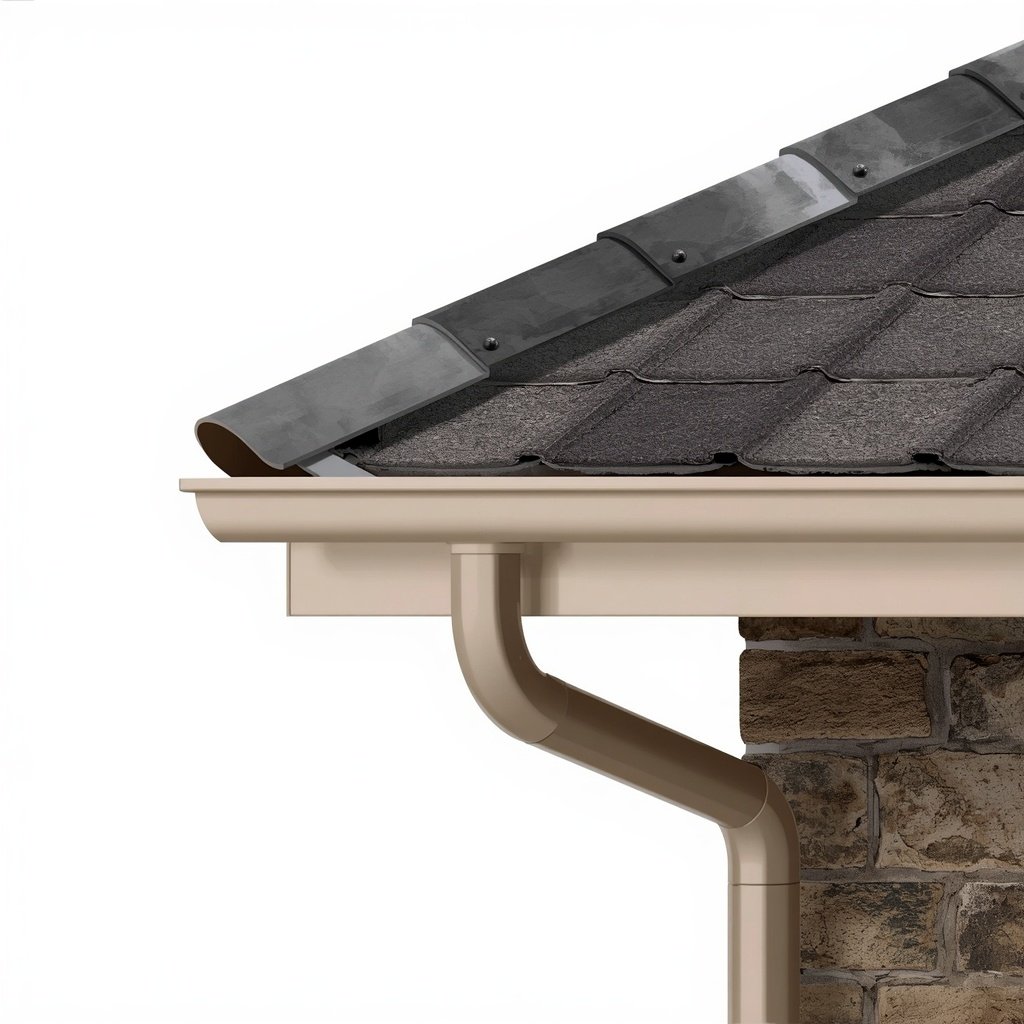
Seamless Gutter Replacement
Replace worn gutters with continuous runs formed to suit your roofline. Fewer joints along straight sections mean fewer potential leak points, while corners, outlets, and end caps still need proper connections.
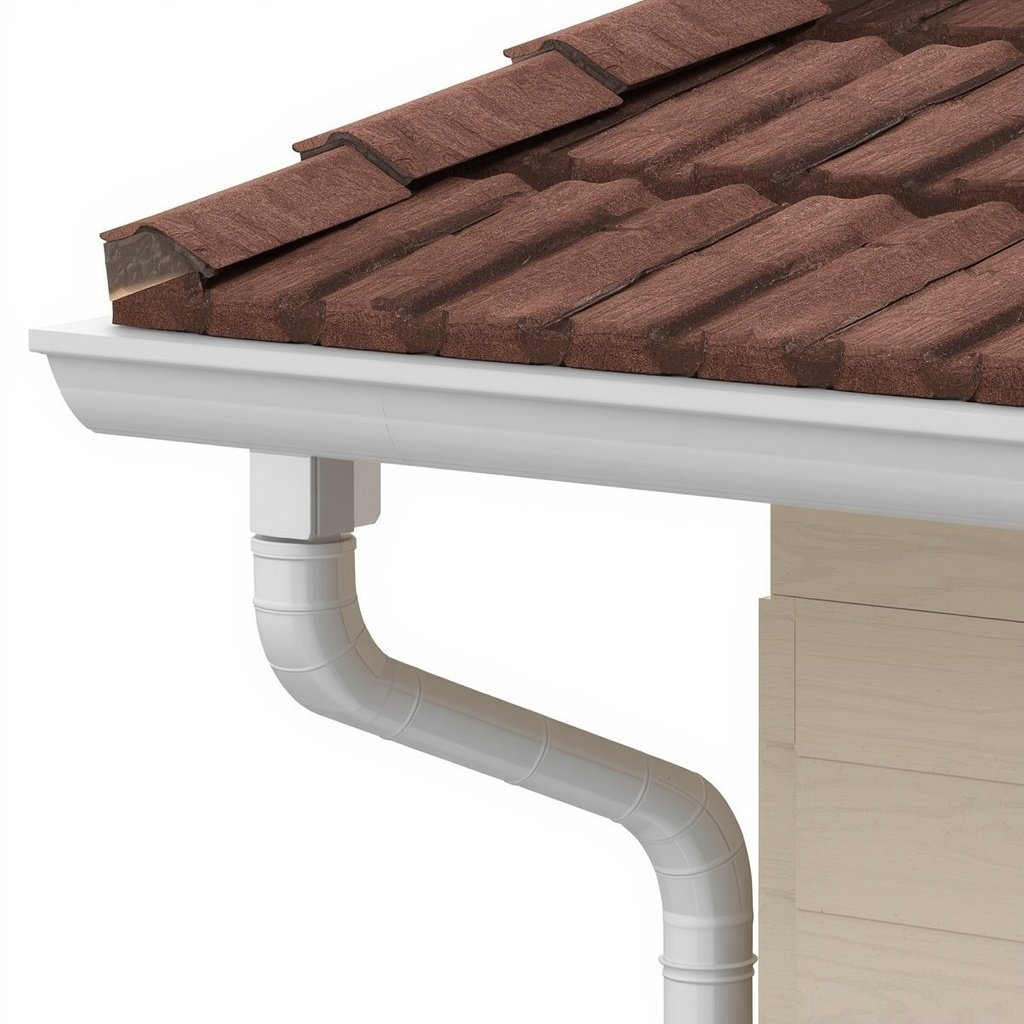
Heavy Duty Gutter Hangers
Support your new gutters with heavy duty hangers selected for the system and mounting conditions. Correct positioning and fastening help maintain alignment and carry the loads placed on the gutter.

Downspout Options and Placement
Move collected water from the roofline to planned discharge points. Downspout size, quantity, and location should work with the gutter layout, roof area, and features around your home.
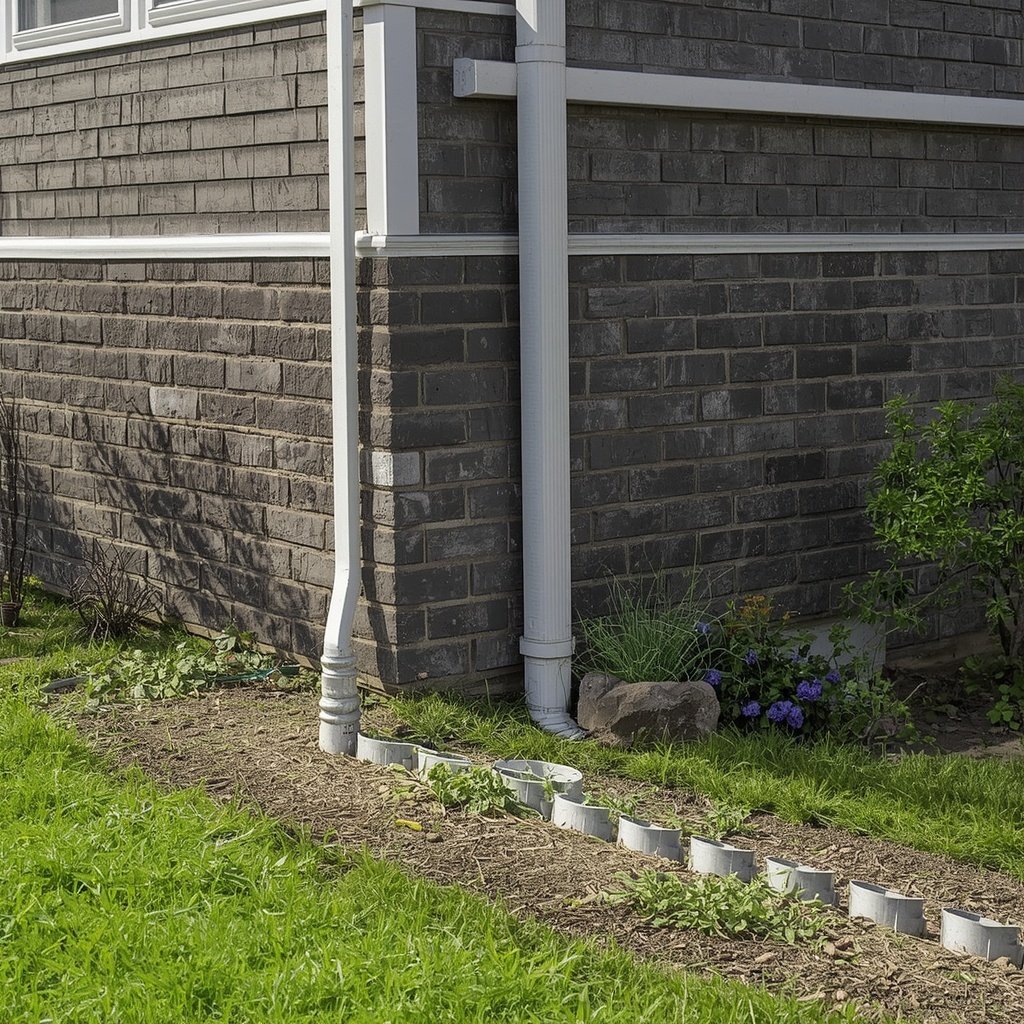
Drainage and Water Discharge
Consider where water goes after it leaves each downspout. Review suitable discharge locations and any extensions or connections included in the proposed scope to help limit pooling near the home.
Look Beyond the Gutter Profile
A gutter system needs more than an attractive finish. Details that are less visible from the ground can make a meaningful difference in how it functions.
Capacity That Matches the Roof
Roof area, pitch, layout, and expected rainfall influence how much water reaches each gutter run. The selected gutter and outlet arrangement should account for that flow. A larger gutter alone does not solve every drainage issue. Downspout capacity and discharge conditions matter too.
Support That Holds the Intended Position
Heavy duty hangers are an important part of the installation, but their performance also depends on spacing, fasteners, and the condition of the mounting surface. The attachment approach should suit the selected system and the conditions identified during assessment.
Outlets That Keep Water Moving
Downspouts need suitable locations and clear paths. Their placement should account for entrances, walkways, landscaping, and the areas where water can be discharged appropriately.
Details That Address Connections
Seamless gutters still have connection points. Corners, end caps, outlets, and transitions require attention during installation and periodic inspection afterward.
Replacing Gutters Across the Whole Home?
A complete gutter replacement gives you the opportunity to review the layout rather than automatically repeating every existing run and outlet. Some roof sections may collect more water than others. An outlet that was convenient when first installed may now discharge beside a patio, planting bed, or heavily used entrance. We help you assess the proposed system as a whole. The goal is to balance collection, support, capacity, and discharge while keeping the project scope clear.
Plan Around the Areas You Want to Protect
Foundations and Nearby Ground
Discharging water close to the foundation can contribute to saturated soil and pooling. Consider where each downspout releases water and whether the surrounding ground carries it away.
Entrances and Walkways
Water should be directed with everyday access in mind. Outlet placement should avoid creating unnecessary runoff across frequently used paths.
Entrances and Walkways
Concentrated roof runoff can disturb planting beds, splash soil onto siding, or contribute to erosion. A coordinated gutter layout helps manage where that water travels.
Fascia and Roof Edges
Gutter position and attachment need to work with the roof edge. Reviewing visible mounting conditions helps establish the appropriate installation scope.
The Appearance of Your Home
Gutter profiles, available colors, and downspout routes influence the finished exterior. Discuss how the system can coordinate with existing siding, trim, and roof details.
Understand What Seamless Gutters Can and Cannot Do
Fewer Joints Along Straight Runs
Continuous gutter lengths reduce the number of connections compared with sectional systems. They still require properly installed corners, outlets, and end caps.
Secure Support Still Matters
Seamless construction does not replace the need for appropriate hangers and fastening. The gutter must remain supported in its intended position to function as planned.
Drainage Depends on the Discharge Point
A gutter system cannot resolve every source of water around a home. Ground slope, surrounding surfaces, and existing drainage conditions also affect where water collects.
Any underground drainage work or connections should be specifically identified in the estimate rather than assumed to be included.
Ongoing Care Remains Necessary
Seamless gutters still need inspection and cleaning. Leaves, debris, and blocked outlets can interfere with water flow regardless of the number of joints.
How We Plan and Install Your Gutter System
Discuss Your Water Flow Concerns
Start with a free in home estimate. Tell us where you notice overflow, pooling, concentrated runoff, or water discharge that interferes with everyday use.
Assess the Roofline and Existing Layout
We review gutter runs, visible mounting conditions, downspout routes, and discharge areas. Measurements and site conditions help establish the proposed system.
Review the Recommended Scope
Discuss seamless gutter options, heavy duty hangers, downspout positioning, and drainage considerations. Review what is included, along with pricing and applicable terms.
Prepare for Installation
Understand the expected schedule, access requirements, and any preparation needed around the home. Weather, project size, and installation conditions can influence timing.
Complete the Installation and Walkthrough
Installation follows the agreed scope. The final walkthrough provides an opportunity to review gutter placement, support, downspout routing, discharge points, and care guidance.
What Affects Gutter Installation Pricing?
The length of your roofline is one part of the estimate. Layout, access, components, and discharge requirements also influence cost.
Key factors include:
- Total length of the proposed gutter runs.
- Selected gutter dimensions, material, and finish.
- Number of corners, outlets, and end caps.
- Heavy duty hanger and fastening requirements.
- Number, dimensions, and height of downspouts.
- Building height and installation access.
- Removal and disposal of existing gutters.
- Extensions or drainage connections included in the scope.
A detailed estimate should explain the proposed system and any additional work separately. This makes it easier to compare proposals on the same basis.
Know What You Are Choosing Before Installation Begins
A Layout Based on Your Home
Consider the roof sections being served, the flow they generate, and practical routes for downspouts.
Clear Support Specifications
Understand the proposed hangers, attachment approach, and any mounting conditions that affect installation.
Defined Water Discharge Points
Review where each downspout ends and which extensions or connections are included.
Straightforward Project Information
Confirm the products, installation scope, expected timing, care requirements, and applicable warranty terms before moving forward.
Five Common Questions About Gutter Installation
What makes seamless gutters different from sectional gutters?
Seamless gutters use continuous lengths along straight roofline sections, reducing the number of joints. They still have connections at corners, outlets, and end caps, so installation quality and maintenance remain important.
Why are heavy duty gutter hangers important?
Hangers support the gutter and help maintain its position. Their effectiveness depends on suitable spacing, fastening, mounting conditions, and compatibility with the selected system.
How many downspouts does my home need?
The appropriate number depends on roof area, gutter layout, outlet capacity, rainfall considerations, and discharge options. An assessment helps determine a suitable arrangement rather than relying on one rule for every home.
Can new gutters stop water from pooling near my foundation?
They can help when roof runoff is contributing to the problem and water is discharged appropriately. Pooling may also involve grading, hard surfaces, or other drainage conditions that require separate assessment.
How much will seamless gutter installation cost?
Cost depends on gutter length, dimensions, components, downspouts, access, and the agreed drainage scope. A free in home estimate provides pricing based on your home’s requirements.
Give Roof Runoff a Better Route Away
Plan a gutter system with the collection capacity, support, downspouts, and discharge details your home needs. Start with a clear assessment and an estimate that explains the complete installation.